
A Strackaline yardage book can look like a maze of numbers, arrows, and squiggly lines the first time you open one. But once you understand the symbols and layout, it becomes one of the most valuable tools in your golf bag. Whether you’re a weekend golfer trying to shave strokes off your score or a competitive player prepping for a big tournament, learning how to read a Strackaline yardage book gives you a real edge on the course.
This guide breaks down everything you need to know — from basic symbols to advanced green-reading techniques — so you can walk onto any course feeling prepared.
What Is a Strackaline Yardage Book?
A Strackaline yardage book is a detailed, hole-by-hole guide that maps out a golf course using precise elevation data, slope percentages, and green contours. Unlike generic yardage books, Strackaline uses laser-accurate surveying technology to capture the exact topography of every green and fairway, giving golfers a highly reliable read on breaks, tiers, and distances.
These books are widely used by tour professionals, college teams, and serious amateurs who want data-driven insight instead of guesswork.
Why Learning to Read a Yardage Book Matters
- Better course management: Knowing exact yardages to hazards and layup zones helps you choose smarter clubs.
- Improved green reading: Slope percentages and arrows remove the guesswork from putting.
- Faster decision-making: Once you understand the format, you can plan shots quickly without slowing down play.
- Consistency: A reliable system for reading greens builds confidence in high-pressure situations.
How to Read a Strackaline Yardage Book: Step-by-Step
1. Start With the Hole Overview Page
Each hole typically opens with a bird’s-eye layout showing the fairway shape, bunkers, water hazards, and green location. Take a moment to orient yourself — note the dogleg direction and overall hole shape before diving into specifics.
2. Understand the Yardage Numbers
Numbers scattered across the fairway represent distances from various landmarks (bunkers, trees, sprinkler heads) to the front, middle, or back of the green. Strackaline books usually color-code or bold these for quick scanning.
3. Learn the Green Contour Symbols
This is where Strackaline really stands out. Greens are shown with:
- Arrows – indicating the direction of slope (the arrow points downhill)
- Percentage numbers – showing how steep that slope is
- Tier lines – separating distinct sections of a multi-level green
4. Identify the Slope Percentage
Slope percentages tell you how much a putt will break. As a general rule:
- 1–2% = subtle break
- 3–4% = moderate break, plan accordingly
- 5%+ = significant break, aim well outside the hole
5. Locate the Pin Position Reference
Many books include a grid or number system (front-middle-back, left-center-right) so you can quickly find the day’s pin position and reference the nearest slope data.
6. Cross-Check With Fairway Landing Zones
Look at recommended landing areas, often marked with shaded zones or dotted lines, to avoid trouble spots like bunkers or rough.
How to Read a Strackaline Yardage Book for Beginners?
If you’re new to yardage books, don’t try to absorb every detail at once. Focus on these three basics first:
- Front-middle-back green yardages — the simplest and most useful numbers.
- Arrow direction on the green — tells you which way putts will break.
- Overall hole shape — helps with tee shot strategy.
As you get more comfortable, gradually incorporate slope percentages and tier breakdowns into your pre-shot routine.
How to Read a Strackaline Yardage Book Online
Strackaline offers digital versions of its yardage books accessible through its website or app. To read one online:
- Log into your Strackaline account or purchase access to your course.
- Select the course and hole you want to view.
- Zoom into the green complex to see slope arrows and percentages clearly.
- Use the digital measuring tool (if available) to check custom yardages from your ball position.
Digital versions are especially useful because they allow zooming, which makes fine slope details easier to see than on a printed page.
How to Read a Strackaline Yardage Book Free?
While Strackaline’s full library is a paid service, there are a few ways to explore free content:
- Sample pages: Strackaline occasionally offers free sample hole pages on its website for popular courses.
- Course pro shops: Some clubs provide complimentary yardage books (though not always Strackaline-branded) for members or event participants.
- Free trials: Watch for promotional periods or bundled offers through golf apps.
If a free option isn’t available for your course, comparing a paid Strackaline book to free alternatives (like generic GPS apps) usually shows a noticeable difference in accuracy.
Golf Yardage Books Free: Alternatives Worth Knowing
If you’re not ready to invest in a Strackaline book, here are other free or low-cost options:
| Resource | Cost | Accuracy | Best For |
|---|---|---|---|
| Course-provided yardage books | Often free at check-in | Moderate | Casual rounds |
| GPS golf apps | Free/freemium | Moderate | Quick yardages |
| Strackaline sample pages | Free | High | Trying before buying |
| Strackaline full book | Paid | Very High | Serious/competitive play |
How to Read a Greens Book?
A greens book (sometimes used interchangeably with yardage book, though it specifically focuses on putting surfaces) follows a similar logic:
- Find your pin position using the day’s hole location sheet.
- Locate the nearest slope arrow to that pin position.
- Read the percentage to gauge how much the putt will break.
- Check for tiers — putts that cross a tier often behave differently than the surrounding slope suggests.
- Combine with your own eyes — the book is a guide, not a replacement for walking the green.
Tour caddies often recommend using the greens book to form an initial read, then verifying it visually as you walk up to the green.
Printable Yardage Books: What to Know
Some golfers prefer printable, physical copies over digital versions for quick reference during a round. Tips for using printable yardage books effectively:
- Print in color if possible — slope arrows and shading lose clarity in black and white.
- Laminate or use a plastic sleeve to protect pages from weather.
- Check page size — many are formatted for compact, pocket-sized booklets that fit in a golf bag.
- Update regularly — course conditions and pin sheets can change season to season.
Common Mistakes When Reading a Yardage Book
- Ignoring slope percentages and relying only on visual estimation
- Misreading arrow direction (remember: arrows point downhill)
- Forgetting to account for grain or green speed alongside book data
- Not cross-referencing pin position with the correct grid section
Read also more related topics: Golf Club Head Speed vs Distance
Swing Speed for Pro V1 vs Pro V1x
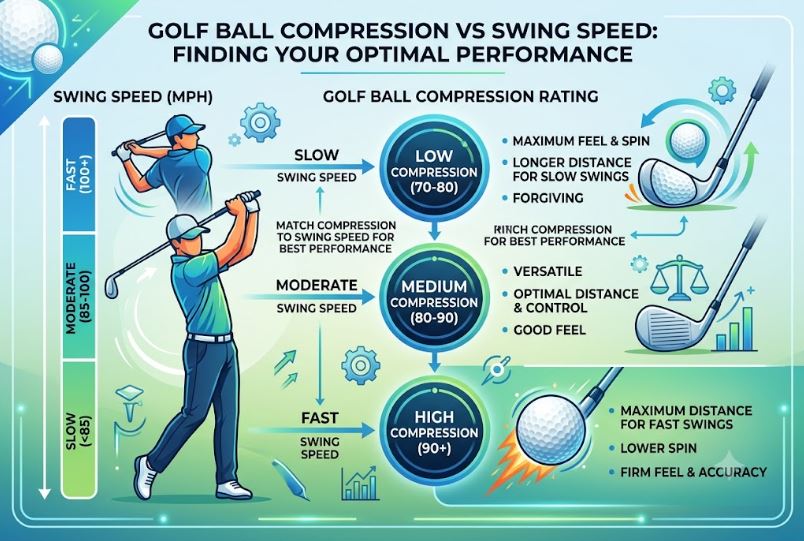
Golf Ball Compression vs Swing Speed
Frequently Asked Questions
What do the arrows mean in a Strackaline yardage book?
Arrows indicate the direction a putt will break, pointing toward the downhill side of the green.
Is a Strackaline yardage book worth it for casual golfers?
It depends on your goals. Competitive or scoring-focused golfers benefit most, but casual players may find course-provided books sufficient.
Can I use a Strackaline yardage book on a phone or app?
Yes, Strackaline offers digital access through its website and select apps, allowing you to zoom in for detail.
How accurate are the slope percentages?
Strackaline uses laser-level survey technology, making its slope data among the most precise available in commercial yardage books.
Do I need a greens book if I already have a yardage book?
Many yardage books include green-reading data, but dedicated greens books offer more detailed pin-position-specific breakdowns for serious putting strategy.